Commercial cleaning and food safety professionals in Brampton support restaurants, commissaries, baking facilities, warehouses, and mobile food services maintaining standards. They decontaminate high-contact points, food contact areas, equipment, floors, drains, restrooms, and food handling spaces with approved chemicals, at correct dilution, and recording exposure duration. You need scheduled cleaning based on risk, volume, allergens, and inspections, plus documented proof backing HACCP, audits, and public health compliance. The sections below explains what strong sanitation programs should include.
Key Takeaways
- Sanitation specialists in Brampton serve restaurants, grocery departments, commissaries, warehouses, bakeries, schools, mobile vendors, and allergen-sensitive operations.
- High-touch surfaces, food-contact equipment, kitchens, floors, drains, restrooms, and storage areas are disinfected using zone-based workflows to prevent cross-contamination.
- Proper chemical concentration, appropriateness, and contact time are confirmed by approved vendors, with finishing logged via checks, assessments, and corrective-action records.
- Regular, weekly, and periodic operations designated by area comprise hygiene timelines grounded on danger, production rate, changeovers, releases, and standards.
- Highlight vendors showing hazard analysis knowledge, sanitation expertise, safety training education, liability, testimonials, color-coded instruments, and assessment-ready sanitation paperwork.
What Brampton Facilities Require Food Safety Cleaning?
Brampton venues that handle, store, prepare, package, or serve food require food sanitation. Implement it if your establishment is covered by health department oversight, food standards, or HACCP systems. The obligation covers food venues, break rooms, supply centers, retail departments, butcheries, seafood areas, stores, and facility food prep.
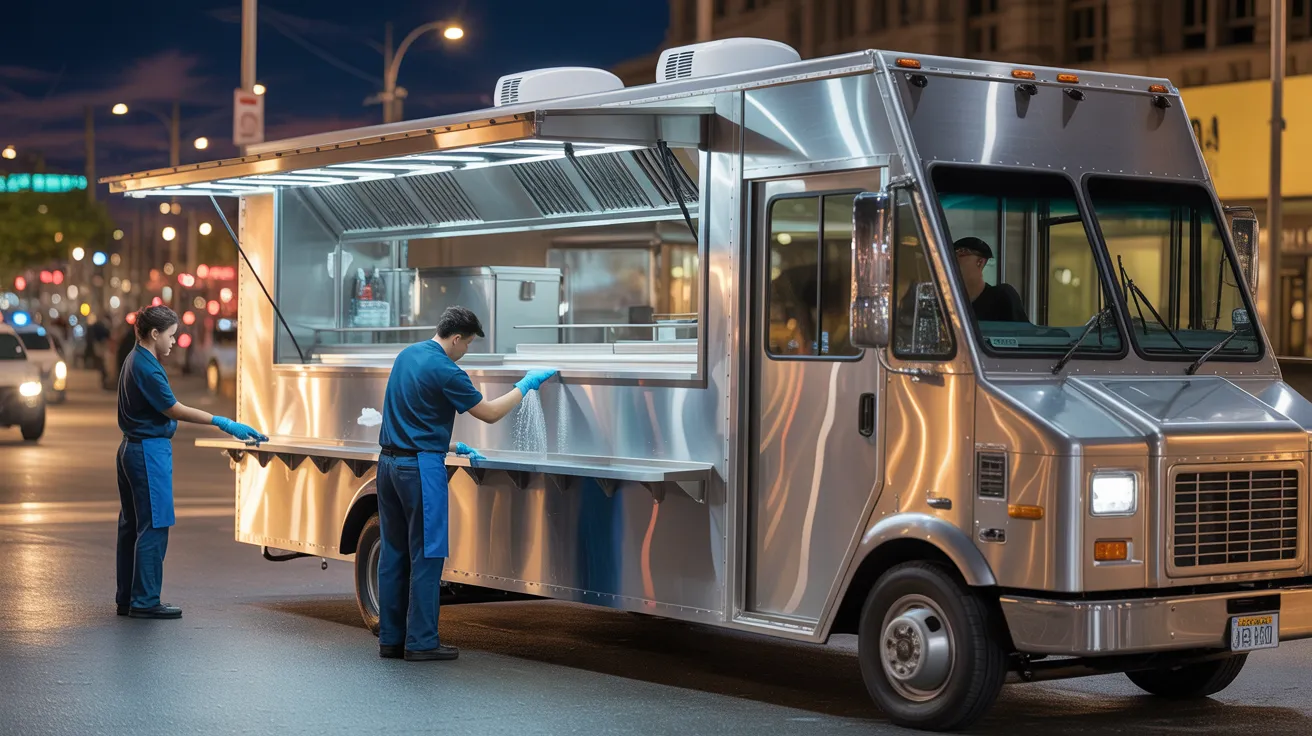
You'll equally need compliant food safety cleaning in storage centers, processing facilities, refrigerated warehouses, bakery retailers, school nutrition programs, event halls, and delivery centers. Seasonal and mobile ventures count as well, examples being food trucks, event sellers, and temporary stalls. When your workers handle raw materials, divide prepared dishes, warm finished meals, or maintain allergen storage, your location requires recorded sanitation procedures. In Brampton, hygiene continues to be compulsory; it represents statutory, functional, and public health compliance.
What Do Brampton Cleaning Experts Clean?
Professional cleaning services specializing in Brampton disinfect high-contact surfaces, food preparation areas, floors, and sanitary facilities in compliance with food safety regulations. Emphasis on these spaces occurs because they pose maximum contamination danger, injury hazards, and possible regulatory violations.
By knowing exactly what gets cleaned, you can make sure your facility's cleaning procedures satisfy all operational and regulatory requirements.
Prioritizing High-Touch Surface Disinfection
Handling high-touch surface disinfection is vital for Brampton janitorial specialists because these surfaces can distribute harmful organisms and food particles around a establishment. You require a scheduling system for disinfecting all high-touch items including handles, plates, switches, railings, control surfaces, POS systems, and refrigeration equipment. Using contact point analysis, professionals pinpoint every frequently handled surface and establish cleaning frequency
follow company guidelines and regulatory standards to sustain effectiveness. Specialists might utilize swab testing to check disinfection results
Kitchens, Floors, and Restrooms
Brampton cleaning services focus on kitchens, floors, and restrooms as each zone presents distinct food safety, accident, and public health concerns. In industrial kitchens, you need degreasing on cook lines, equipment exteriors, drains, prep surfaces, and splash zones to minimize contamination and pest pressure.
Floor care that is documented should also be anticipated. Technicians scrub and extract buildup from grout, tile, and vinyl flooring, then apply suitable dehydration methods so you can limit falls and meet regulatory standards. They also address entry points where dampness and dirt enter the building.
In restrooms, cleaners treat contact surfaces, bathroom hardware, partition walls, accessory dispensers, and receptacles then refill supplies and eliminate odor. They also service restaurant moprooms, where chemical storage, sink hygiene, and drainage conditions can affect sanitation compliance and staff safety daily.
Why Food Safety Cleaning Matters in Brampton
Brampton operations require proper hygiene standards to meet health code requirements and pass inspections. You also reduce bacterial spread through proper cleaning of food-preparation surfaces, appliances, and frequently-touched items. Most importantly, you safeguard community wellness by reducing the chance of food poisoning in your establishment.
Health Code Compliance
Because Brampton food companies operate under mandatory safety protocols, food safety cleaning directly affects your ability to meet health code requirements, defend customers, and sidestep enforcement action. You must maintain hygienic food handling zones, documented cleaning schedules, proper chemical use, and auditable operational standards that align with municipal and provincial inspection expectations.
During regulatory assessment of your operation, officials assess whether your sanitation system facilitates secure product handling, appliance cleanliness, refuse management, and bathroom upkeep. Comprehensive sanitation documentation enable you to establish due diligence during regulatory audits and show that your procedures are consistent, consistent, and monitored.
Contamination Control
Maintaining health code standards copyrights on your power to stop cross-contamination during daily food handling and cleaning. You need to partition uncooked items from finished dishes, sanitize prep surfaces between tasks, and position cleaning agents away from food surfaces. Explicit protocols lower contamination threats and reinforce steady regulatory adherence.
You might establish allergen separation to stop main allergens from reaching shared surfaces, containers, or equipment. Use dedicated cutting boards, color-coded tools, and strict utensil labeling so staff don't mix items during preparation or service. Enforce washing hands following raw meat, seafood, eggs, or allergen-containing products. Change wiping cloths regularly, and check sanitizer strength with test strips. When employees learn these procedures every shift, you create a cleaner, safer operation that meets Brampton's food safety expectations every day.
Public Wellness Defense
When food safety cleaning weaken, you don't only face inspection setbacks—you expand the chance of food contamination striking customers, staff, and the larger Brampton community. You also weaken your role in safeguarding community wellness, especially in busy food facilities where contamination can spread quickly through surfaces, equipment, and touchpoints.
You must establish sanitation protocols that remove contaminants, disinfect correctly, and confirm effectiveness. This involves adhering to exposure times, utilizing approved disinfectants, logging schedules, and training employees to meet regulatory standards. These controls promote disease prevention by limiting pathogens before contaminating food or surfaces. Across Brampton, effective sanitation protects at-risk populations, limits outbreak risk, and demonstrates accountability. When you follow standards, you exceed regulations—you meaningfully reduce risk and facilitate secure food handling city-wide.
Why Is Cleaning Essential for Food Safety Compliance?
Following strict sanitation practices improves food safety compliance by lowering contamination exposure, managing pathogen expansion, and discover now positioning your facility in accordance with sanitation requirements under HACCP-based programs and public health regulations. You validate that food-contact surfaces stay visibly clean and microbiologically controlled, supporting documented preventive controls and inspection readiness.
Well-executed cleaning efforts also enhance allergen mitigation by eliminating residues that can trigger undeclared allergen exposure.
What's the Best Time to Plan Commercial Cleaning?
food-contact surfaces, bathrooms, and high-contact areas
Regular tasks ought to be arranged separately
How Do You Choose Brampton Cleaning Experts?
Screen providers initially by their food-safe sanitation requirements—not budget alone. You need to confirm that every company meets CFIA, public health, and HACCP standards for your operation. Demand proof of insurance, WHMIS compliance, training records, and management systems. Evaluate technician knowledge of cross-contamination risks, chemical safety, and documented sanitation practices.
You should also assess business dependability and responsibility. Request references from Brampton food businesses, then examine response times, corrective-action procedures, and communication standards. Confirm the company participates in supplier audits and can present audit-ready records when regulators or third parties request evidence. Check whether equipment is maintained is performed, color-coded implements are used appropriately, and site-specific hazards are recognized. A qualified provider protects compliance, product integrity, and your brand reputation.
Which elements are contained in a Food Safety Cleaning Plan?
Write out a framework that outlines every sanitation activity, guideline, and role before production begins. You should include cleaning schedules, approved products, ratios, contact periods, tools, and validation approaches for each area, surface, and device. Remember to add pre-operational inspections, corrective actions, and employee training requirements.
Your plan should also focus on contamination prevention controls, waste handling procedures, pest management measures, and written schedules for restrooms, drains, floors, and food-contact areas. Describe how you'll keep raw and ready-to-eat processes separate, support ingredient tracking, and maintain accurate allergen labeling through validated cleaning between product changes. You should assign accountability, maintain signed records, and assess results against regulatory standards, HACCP controls, and customer requirements. When gaps appear, modify procedures immediately and retrain staff.
Commonly Requested Inquiries
Do sanitation providers work during nighttime hours at Brampton facilities?
Yes, you can book cleaning services to manage overnight shifts in Brampton facilities. You'll organize overnight sanitation around production schedules, security measures, and staffing requirements. Services generally map nightshift procedures to reduce disruption, ensure compliance, and document completed tasks. You should confirm arrival timeframes, management, lockout procedures, and disposal methods before beginning service. If you operate controlled environments, you'll also want cleaning records that support inspections and internal quality assurance.
Will Brampton cleaning experts respond to hazardous incidents?
Yes, you can locate Brampton sanitation experts providing spill response options. They handle hazardous incidents, assess dangers, isolate contamination, and begin swift decontamination to reduce risk and avoid operational impact. You should verify response rates, credentials, PPE measures, and waste procedures. If your facility must adhere to regulations, select a service that tracks incidents, adheres to standards, and supports verification.
Can plant-based disinfectants be deployed safely on food preparation areas?
In essence, natural disinfectants function safely for food-contact surfaces provided you buy products labeled food safe that adhere to regulatory requirements. Confirm exposure duration, concentration levels, and rinse requirements prior to application. Botanical formulations decrease harsh chemical exposure, although you require proof of efficacy against target microorganisms. To keep surfaces without residue, follow exact manufacturer guidelines and validate the sanitizer complies with applicable food industry sanitation standards.
Do maintenance plans permit seasonal production changes?
Without question, sanitation programs adjust easily for seasonal shifts. Adjust schedules, personnel, chemicals, and verification steps to correspond to operational cycles while sustaining regulatory requirements. Minimize production interruptions by timing sanitization around equipment transitions, high demand periods, and equipment use patterns. Additionally update written procedures, employee training, and facility monitoring to account for transient threats, new allergens, or increased soil loads. Periodic assessments maintain the program effective.
Are commercial cleaners providing staff training on sanitation best practices?
Absolutely, professional cleaning companies regularly deliver employee education on hygiene standards. Your staff receives training on proper chemical use, dwell times, cross-contamination prevention, machine takedown, and paperwork. They generally match guidance with HACCP, GMP, and CFIA or regional health authority requirements. Many conduct sanitation audits to verify compliance, pinpoint weaknesses, and reinforce corrective actions. This enables you to sustain consistent procedures, clear audits, and lower contamination dangers consistently.
Final Thoughts
When you work with Brampton commercial cleaning and food safety experts, you don't just tidy up—you maintain your facility audit-prepared and your protocols compliant. From kitchens to processing floors, every clean surface and maintained area minimizes unwelcome guests and prevent costly setbacks. By arranging cleanings at the right intervals and following a clear cleaning plan, you safeguard staff, customers, and your brand image. In a strict regulatory setting, clean spaces aren't optional—they're fundamental to proper operations.